A buyer recently raised a concern about inconsistent lengths in a batch of patch cables.
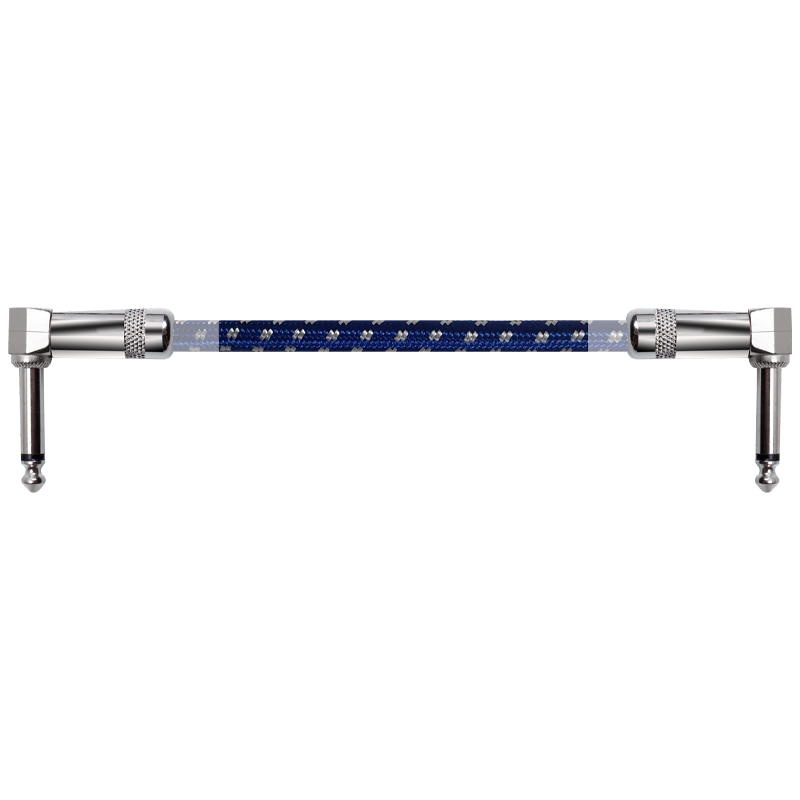
The interesting part was this:
We had agreed on the nominal cable length — but we had never agreed on the tolerance.
For example, if a patch cable is specified as 30 cm, does that mean:
30 cm exactly?
30 cm ± 5 mm?
30 cm ± 10 mm?
And more importantly:
Where should the measurement start and end?
Cable only?
Plug to plug?
Including the connector body?
For many accessories, these differences may not affect actual use.
But once a buyer has a specific retail, packaging, pedalboard, or installation requirement, they can become important.
That taught me a simple lesson:
If a dimension can become an acceptance criterion later, define the tolerance before production.
Not after the goods arrive.
For OEM patch cables, I now think buyers and suppliers should confirm at least:
- Nominal length
- Measurement method
- Acceptable tolerance
- Whether the requirement affects function, packaging, or appearance
Otherwise, both sides may inspect the same product and reach completely different conclusions.
A specification tells the factory what to make.
A tolerance tells both sides what is acceptable.
That small difference can prevent a very large argument later.