A guitar cable customer recently told me something very direct:
“People are asking for prices lower than my buying cost.”
This is becoming a real problem for many guitar retailers and distributors.
End customers are more price-sensitive, competition is stronger, and dealers are under pressure to reduce selling prices.
So naturally, buyers start asking suppliers for a lower guitar cable price.
But there is another cost that is easy to overlook:
complaints after the sale.
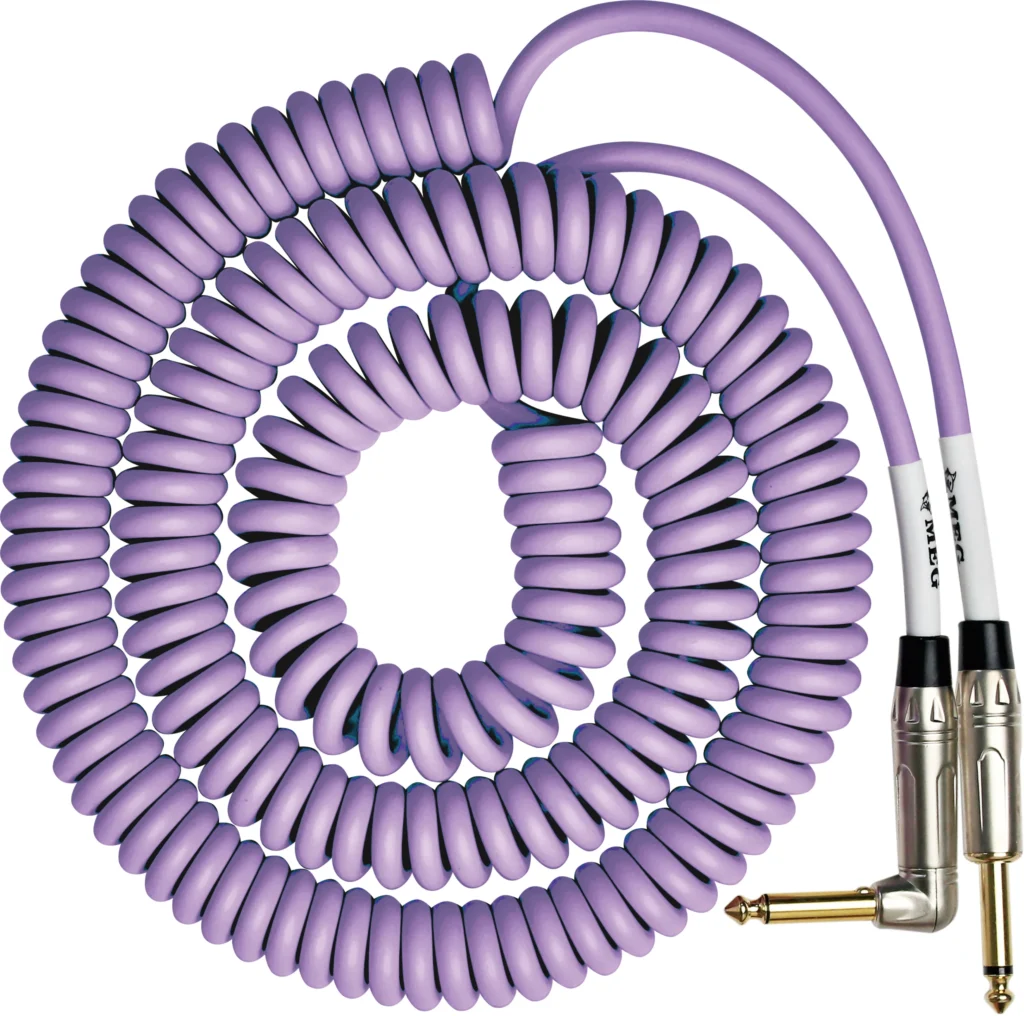
Low Purchase Price Does Not Always Mean Better Margin
For a guitar cable distributor, margin is not only:
Selling Price – Buying Price
A more realistic calculation is:
Selling Price – Buying Price – Returns – Replacements – Complaints – Staff Time
A cable that saves a few cents at the purchasing stage may not actually save money if it creates more problems later.
For example:
- intermittent signal
- loose plugs
- poor soldering
- cable noise
- incorrect cable length
- damaged heat shrink
- unstable connectors
- higher return rates
Each problem may look small.
But when the selling margin is already thin, even a few extra complaints can remove a large part of the profit.
Guitar Cables Are a Small Product With a Large After-Sales Cost
A guitar cable is usually not an expensive item.
That is exactly why complaints can be painful.
If a customer complains about a high-value product, there may still be enough margin to absorb some service cost.
With guitar cables, the margin per piece is often much smaller.
A replacement cable, extra shipping, customer service time or retailer refund can easily cost more than the original profit from the sale.
This is why guitar cable buyers should not only ask:
“How can I reduce the purchase price?”
They should also ask:
“How can I reduce problems after the product is sold?”
Fewer Complaints Can Be More Valuable Than a Lower Price
For guitar cable sourcing, stable quality is not only a technical issue.
It is also a profit issue.
A reliable cable can help reduce:
- replacement requests
- customer complaints
- negative retailer feedback
- warranty handling
- extra shipping costs
- time spent solving small after-sales problems
This is especially important for distributors supplying many music stores.
One small quality problem repeated across hundreds of cables can quickly become a much bigger operational problem.
What Guitar Cable Buyers Should Check
When comparing suppliers, price is important.
But buyers should also pay attention to the areas that most often create complaints:
Connector reliability
Plugs should fit properly and remain stable after repeated use.
Soldering consistency
Poor internal soldering can cause intermittent signal problems that are difficult for retailers to diagnose.
Cable flexibility and durability
The cable should feel suitable for normal stage, studio and practice use.
Length consistency
The delivered cable length should match the agreed specification.
Appearance consistency
Heat shrink, printing, connector finish and packaging should remain consistent across the order.
Inspection standard
The supplier and buyer should agree on what is considered acceptable before mass production.
The Goal Is Not the Cheapest Guitar Cable
In a difficult market, every buyer wants to control cost.
That is understandable.
But the lowest purchase price is not always the lowest total cost.
For guitar cable distributors and retailers, a better question may be:
Which cable gives me the fewest problems after the sale?
Because when margins become smaller, avoiding complaints becomes part of the profit.
At IMUSIC, we believe guitar cable sourcing should not only be about reducing the unit price.
It should also be about reducing the problems that happen after the cable reaches the customer.